“If you are on social media, and you are not learning, not laughing, not being inspired or not networking, then you are using it wrong.”
Germany Kent
Knowledge can be created and disseminated in all forms and formats. Media and information increases every day and it becomes so abundant that it can be found anywhere, anytime specially in the booming era of data and information explosion. Becoming media and information literate individuals will test our patience on how we deal with information. It includes a certain level of respect towards those who need and request for it. Respect for information need means we allow each and every one to express their ideas, opinions and expressions fully without any judgment or prejudice. Media and Information teaches us to use information and media content in an ethical, efficient and effective manner. People across the world are witnessing a dramatic increase in access to information and communication. While some people are starved for information, others are flooded with print, broadcast and digital content. Media and Information Literacy (MIL) provides answers to the questions that we all ask ourselves at some point. How can we access, search, critically assess, use and contribute content wisely, both online and offline? What are our rights online and offline? What are the ethical issues surrounding the access and use of information? How can we engage with media and ICTs to promote equality, intercultural and interreligious dialogue, and peace, freedom of expression and access to information?

The 20th century was witness to the birth of what is arguably the most popular device in the history of mankind: the television. TV is a communications technology that has revolutionized the delivery of information, entertainment and artistic expression to the masses. More recently, we have all witnessed (and participated in) the birth of the Internet, a technology whose potential makes TV pale into insignificance in comparison (although, it seems, TV isn’t leaving us anytime soon). These are fast-paced and momentous times we live in. I thought now would be a good opportunity to take a journey back through the ages, and to explore the forms of (and devices for) media and communication throughout human history.
- Pre-Industrial Age (Before 1700’s)
In this age, People had learned or discovered fire, developed paper from plants, and forged weapons and tools with stone, bronze, copper and iron.
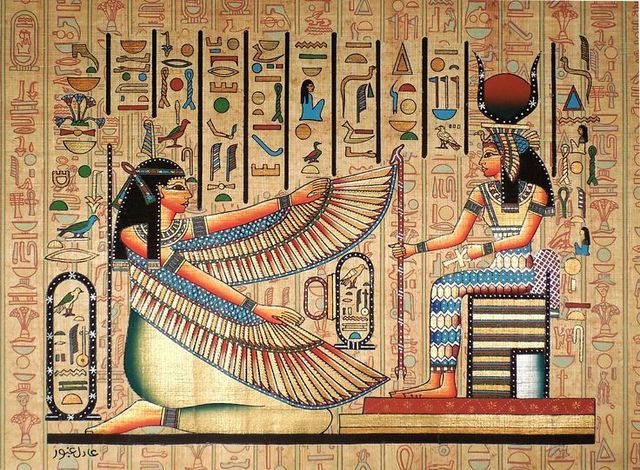
- Industrial Age (1700s – 1930s)
This is where people discovered the used of power steam, developed machine tools, established iron production, and the manufacturing of various products (including books through the printing press)
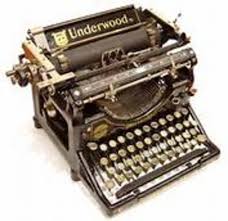
- Electronic Age (1930s – 1980s)
In this age, People invented the transistor ushered in the electronic age. People harnessed the power of transistors that led to the transistor radio, electronic circuits, and the early computers. In this age, long distance communication became more efficient.
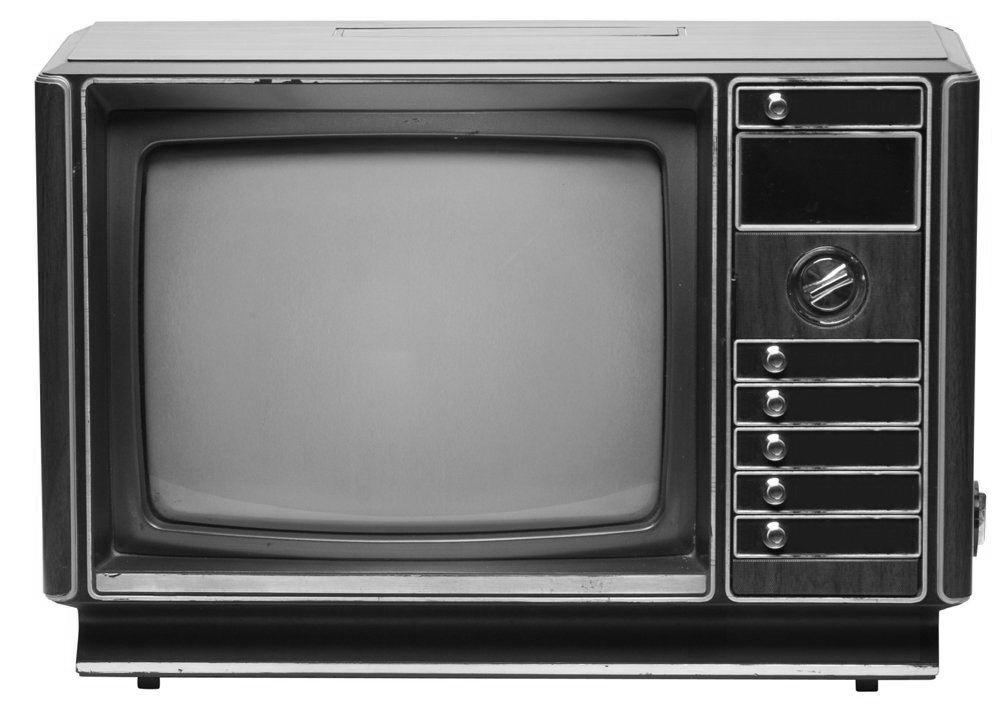
- Information Age (1900s – present)
This is where the Internet paved the way for faster communication and the creation of the social network. People advanced the use of microelectronics with the invention of personal computers, mobile devices, and wearable technology. Moreover, voice, image, sound and data are digitalized. We are now living in the information age.
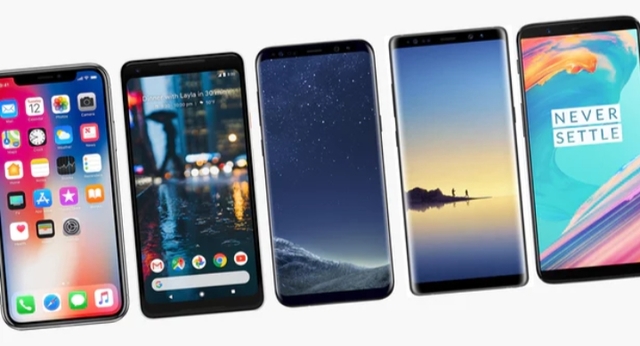

Now with this improved forms of media, information is easily accessed and spread. The Internet has molded our ways, allowing us the ability to find things in a matter of seconds. At the same time, traditional media still remains an integral part in our lives, allowing us to do what we want, when we want. With many things trending one day and dead the next, it’s important that we evolve with these changes and accept the fact that things change whether we like it or not.
 Blog
Blog 